Monthly Archives: June 2015

Normandie Luscher: Our Sister’s Sorrow

abandoned-final-merge-small

Normandie Luscher is a soon-to-be New Yorker with an Illustration degree from BYU. We are highlighting all of the pieces from her project Our Sister’s Sorrow.

Explain a little about Our Sister’s Sorrow: It is one of the biggest projects that I’ve done. I’ve been working on it for over two years now. I had sketched out lots of different possibilities and then one night after I had been struggling with depression for a few months, I remember sitting in my living room and wondering when I would ever feel better. I had started reading the story of Job from the Bible and it just kind of clicked and I decided to paint the story of Job with a female character. I took the idea to some of my professors and then to the Laycock Center, which is a collaborative center at BYU that funds different art projects. They encouraged me to make the project more collaborative and I ended up working with an old friend in the music department. He wrote music to accompany the pieces.

My favorite element of the project was collaborating with the Center for Women and Children in Crisis. The project took on depth and incredible meaning as we interviewed women who came from abusive situations and were trying to get back on their feet and to repair emotionally. I felt honored to have my artwork begin to represent the many women who had gone through real despair and redemption and working with them has changed my life. The final project ended up being a fundraising event for the Center for Women and Children and we had my art up as an exhibition with Zane’s music and we had speakers from the community talk about women’s issues. I was so over joyed with the way everything turned out. We’re actually just finishing up a documentary about the project that will come out at the end of this month on Vimeo.

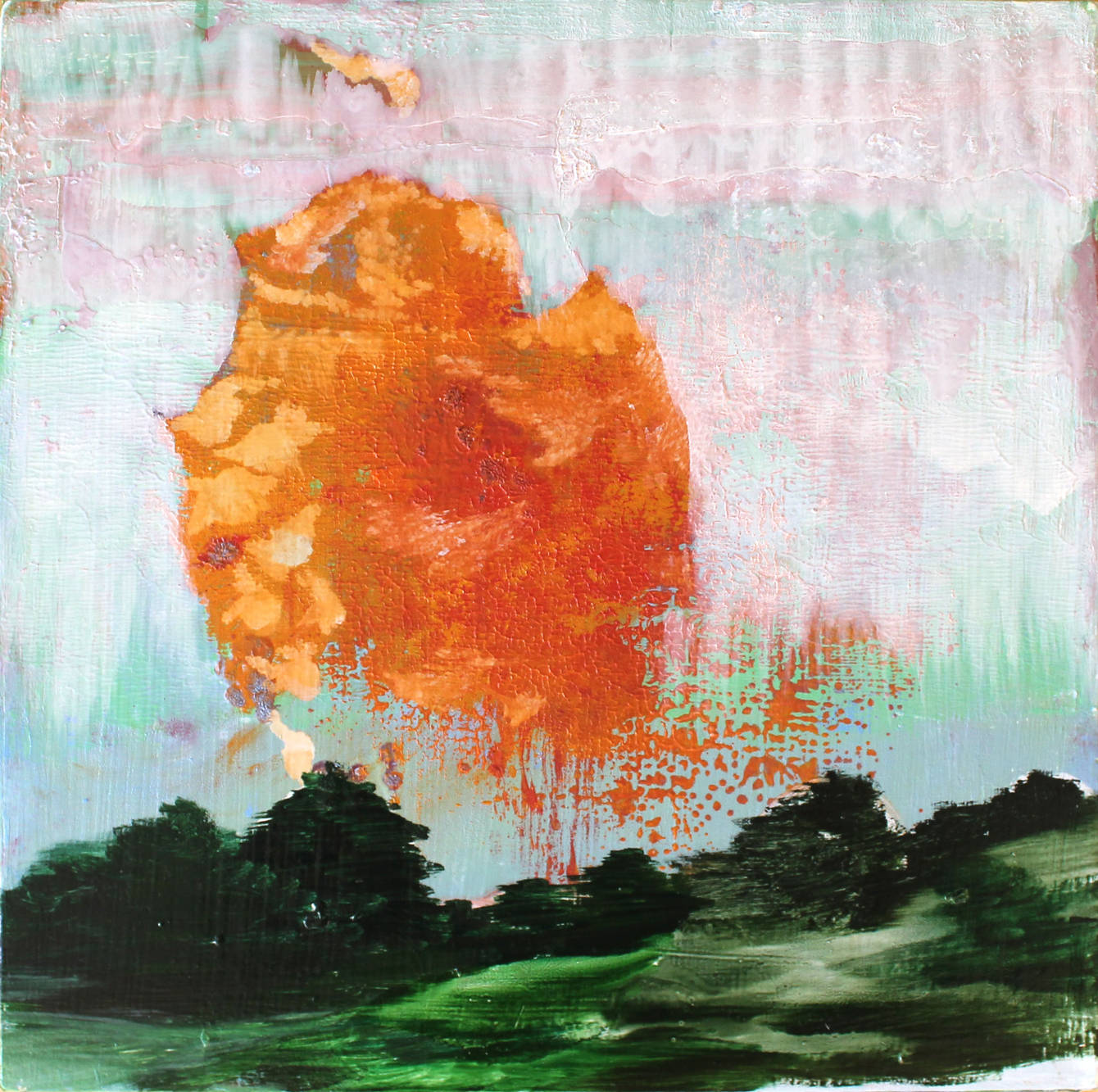
Abandoned (above): Abandoned is a simple piece that I made to capture that feeling of loneliness in a vast empty landscape.

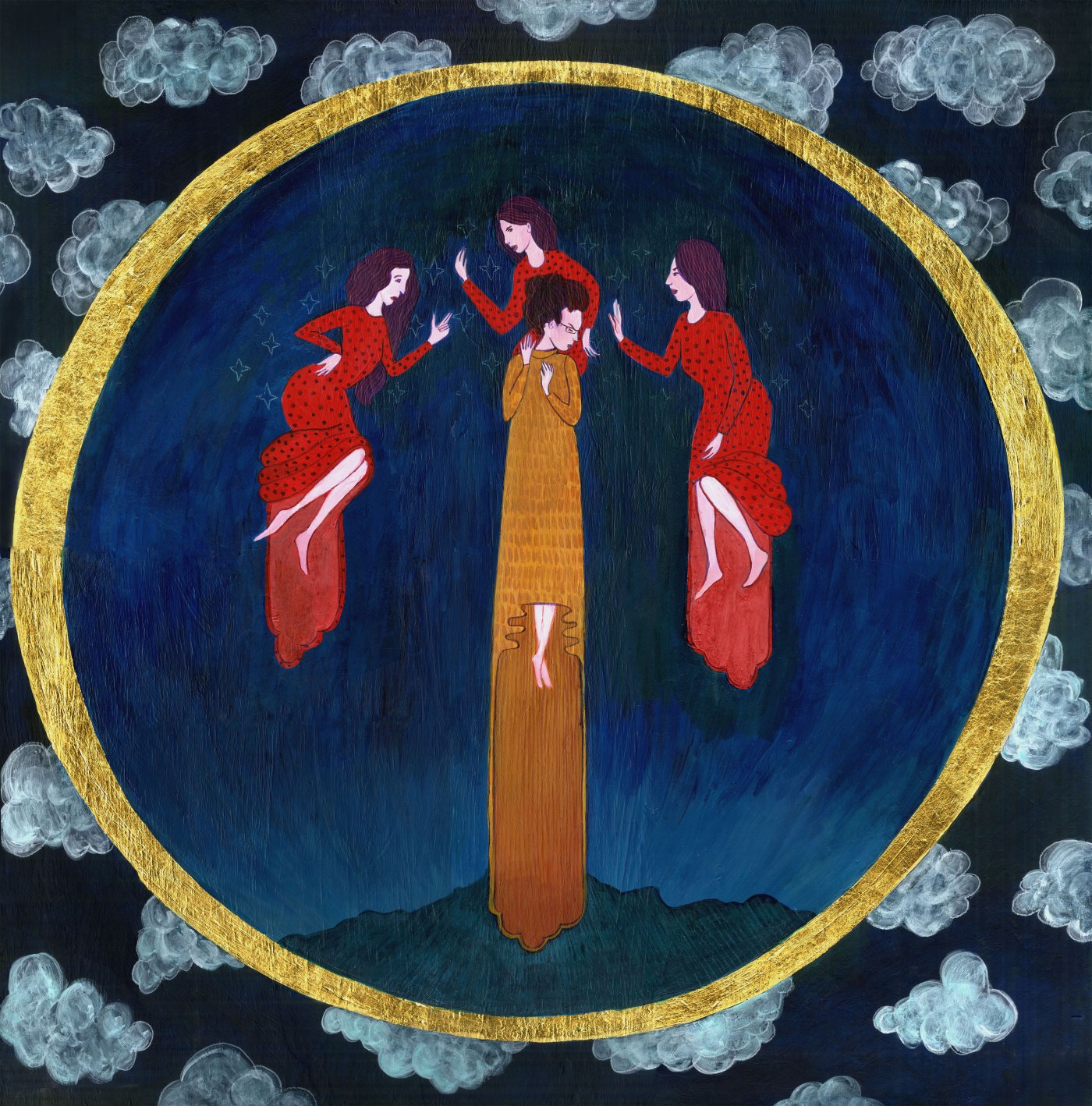
Eliphaz, Bildad and Zophar (below): This pieces shows Job and her friends. They are infamous for their advice that isn’t always so encouraging or helpful. It’s complicated.
eliphas-bildad-and-zophar-small

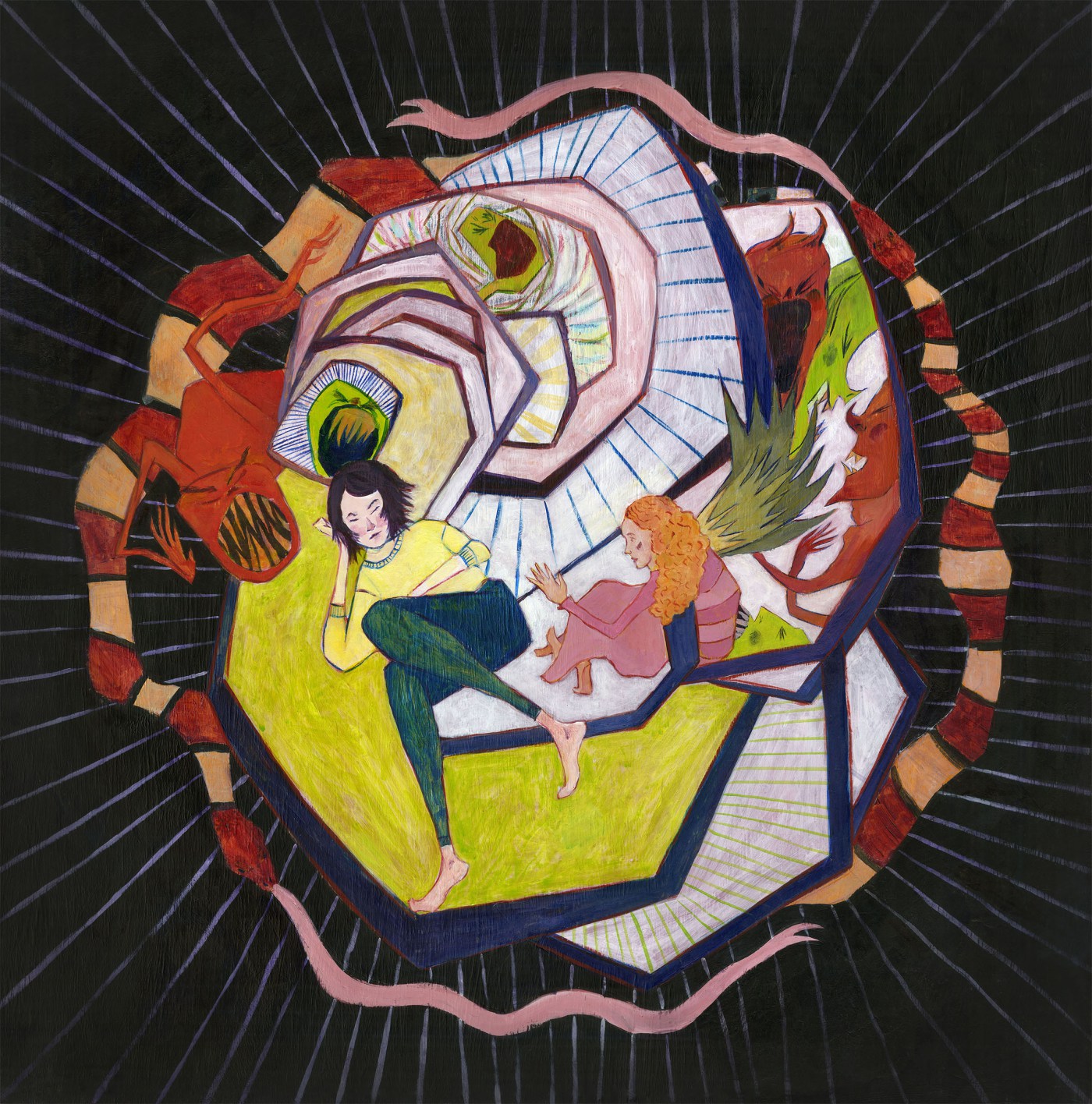
Nightmares (below): In the Book of Job he says talks about how he wants to find rest from his trials at least in his sleep, but even then he has nightmares.
nightmares-final-merge-small-2

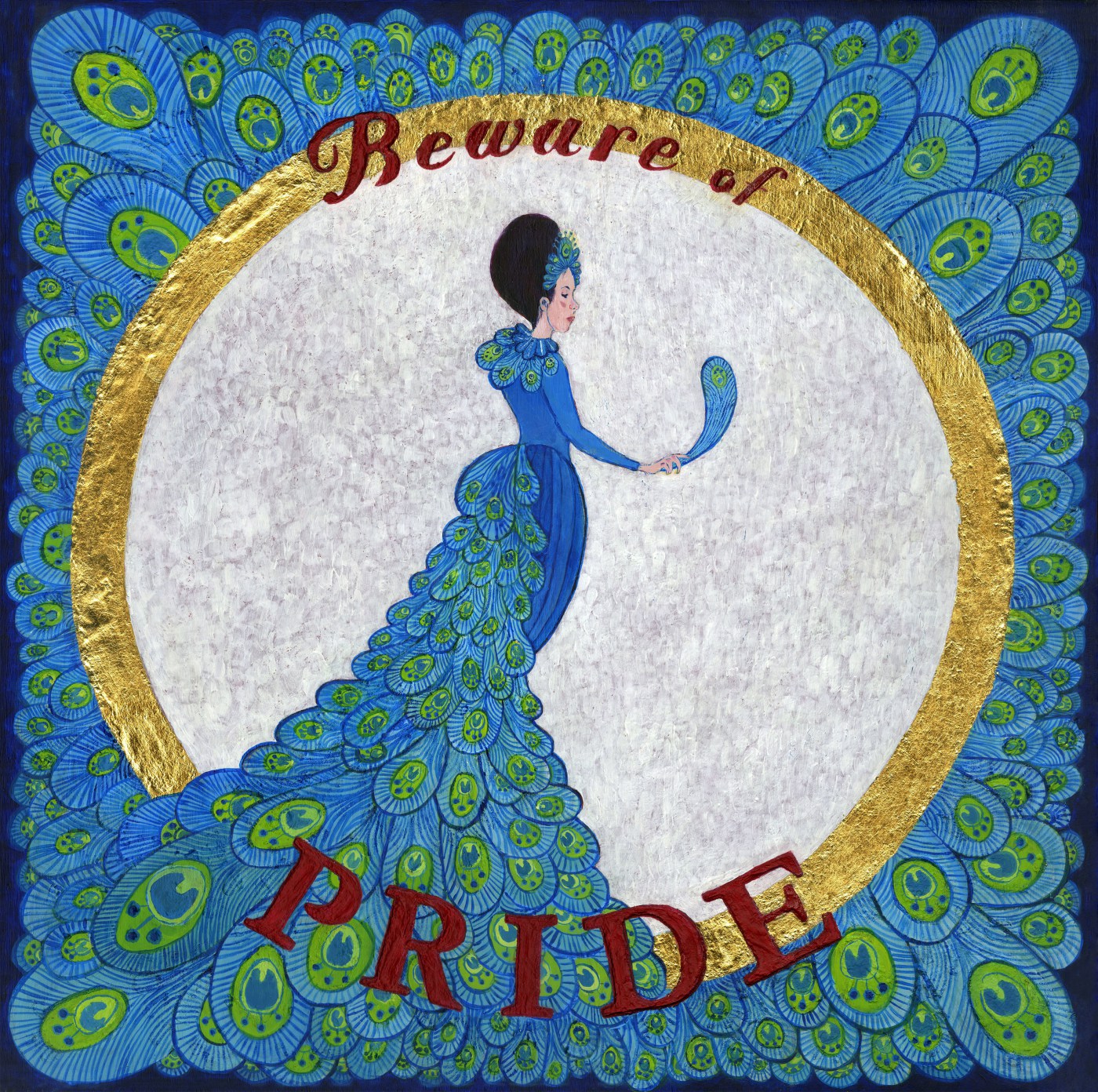
Beware of Pride (below): Beware of Pride is about personal introspection and the moment of awareness that maybe you are the one who got yourself into trouble.
beware-of-pride-full-merge-small

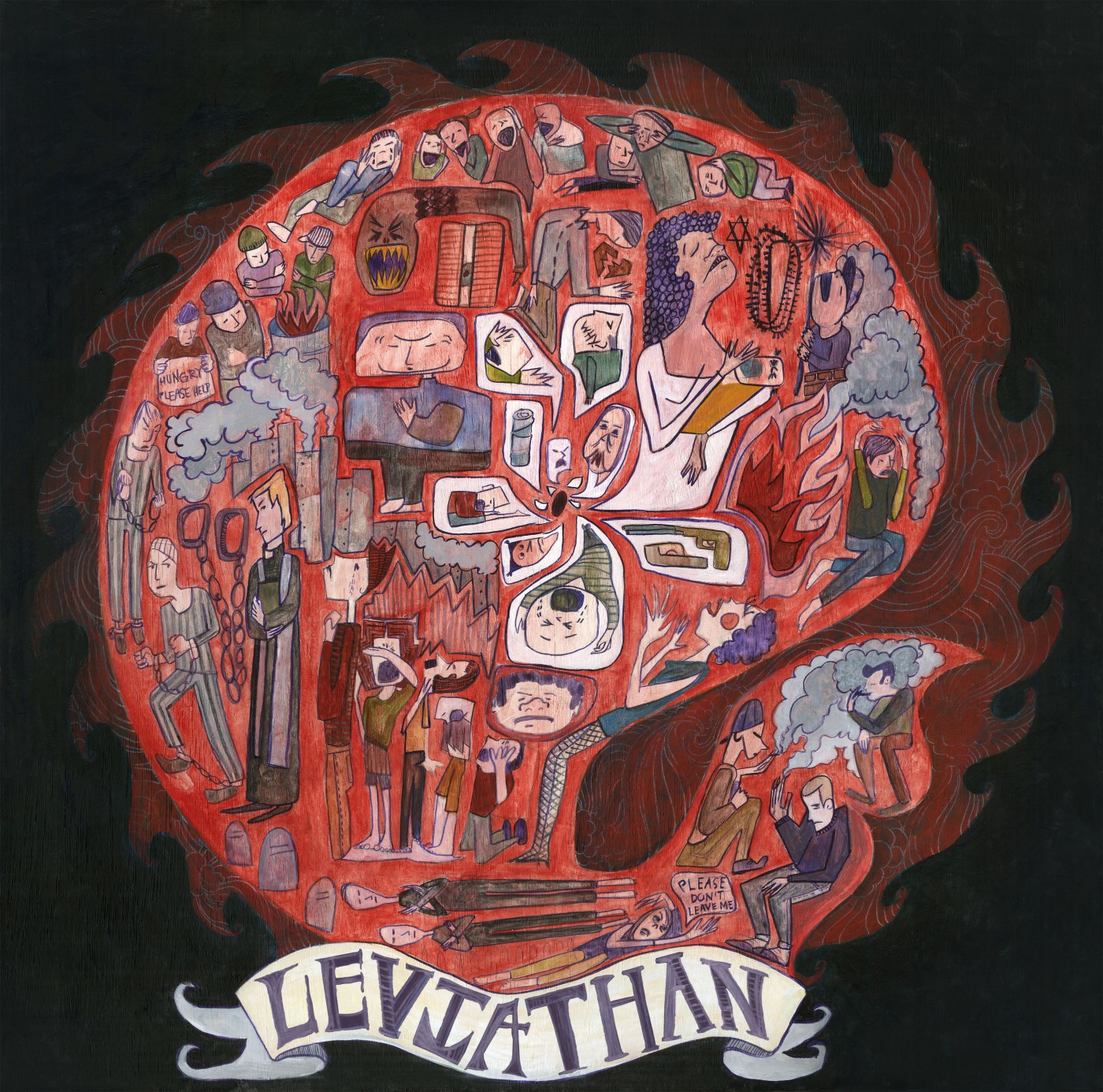
Leviathan (below): In the Job story, the Lord finally answers all of Job’s complaints and inquiries with an example of the Leviathan, which is usually depicted as a giant enigmatic sea monster. The Lord basically says that suffering is a part of being human and you can’t change that.
leviathan-red-merge-2-small-type-final

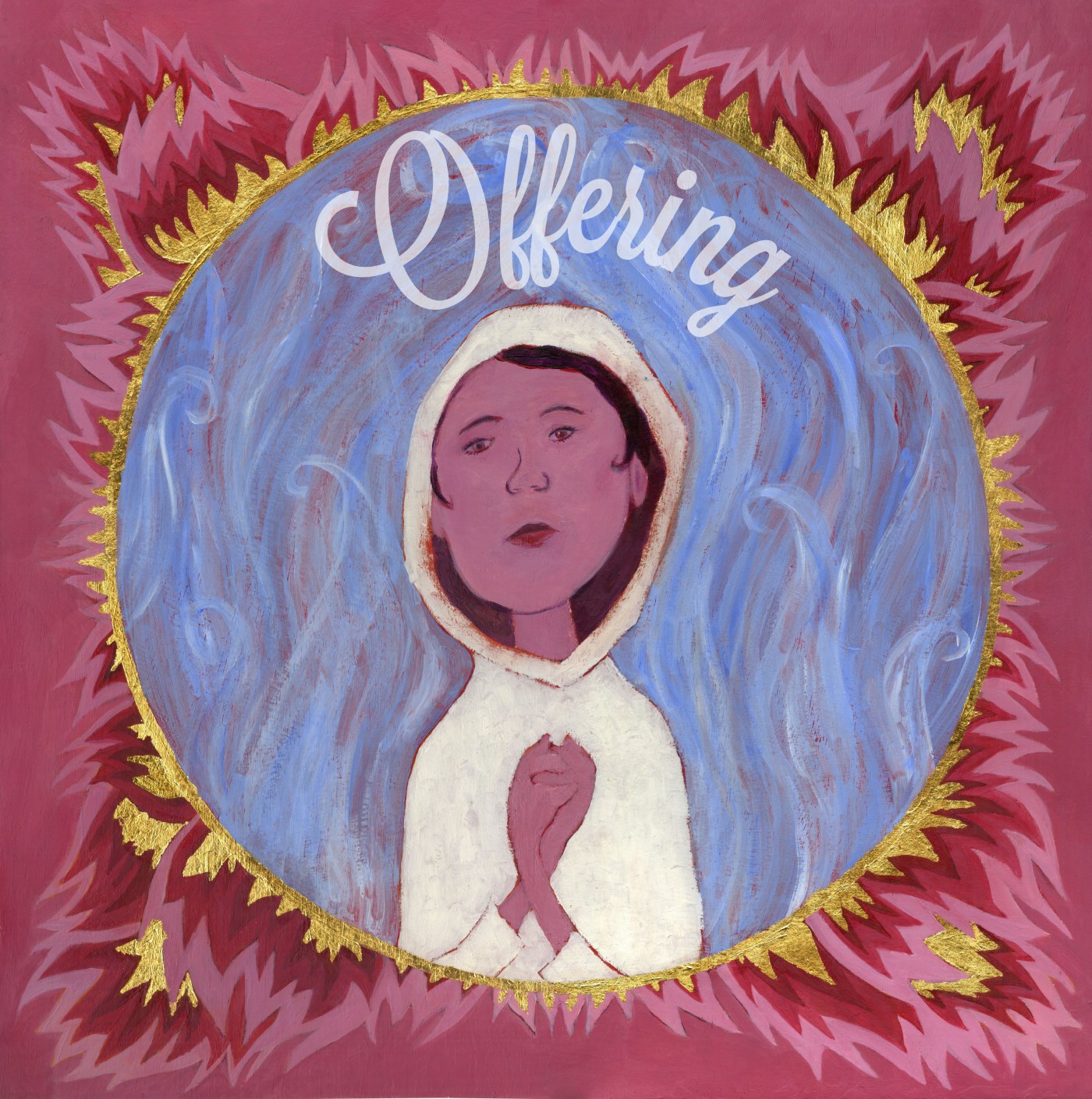
Offering (below): Offering is a repentance piece. I wanted to focus on the joy of repentance and being forgiven as opposed to the anguish and suffering of repentance. I like the idea that repenting is a deliberate action of offering up a broken heart and contrite spirit of humility.
Offering

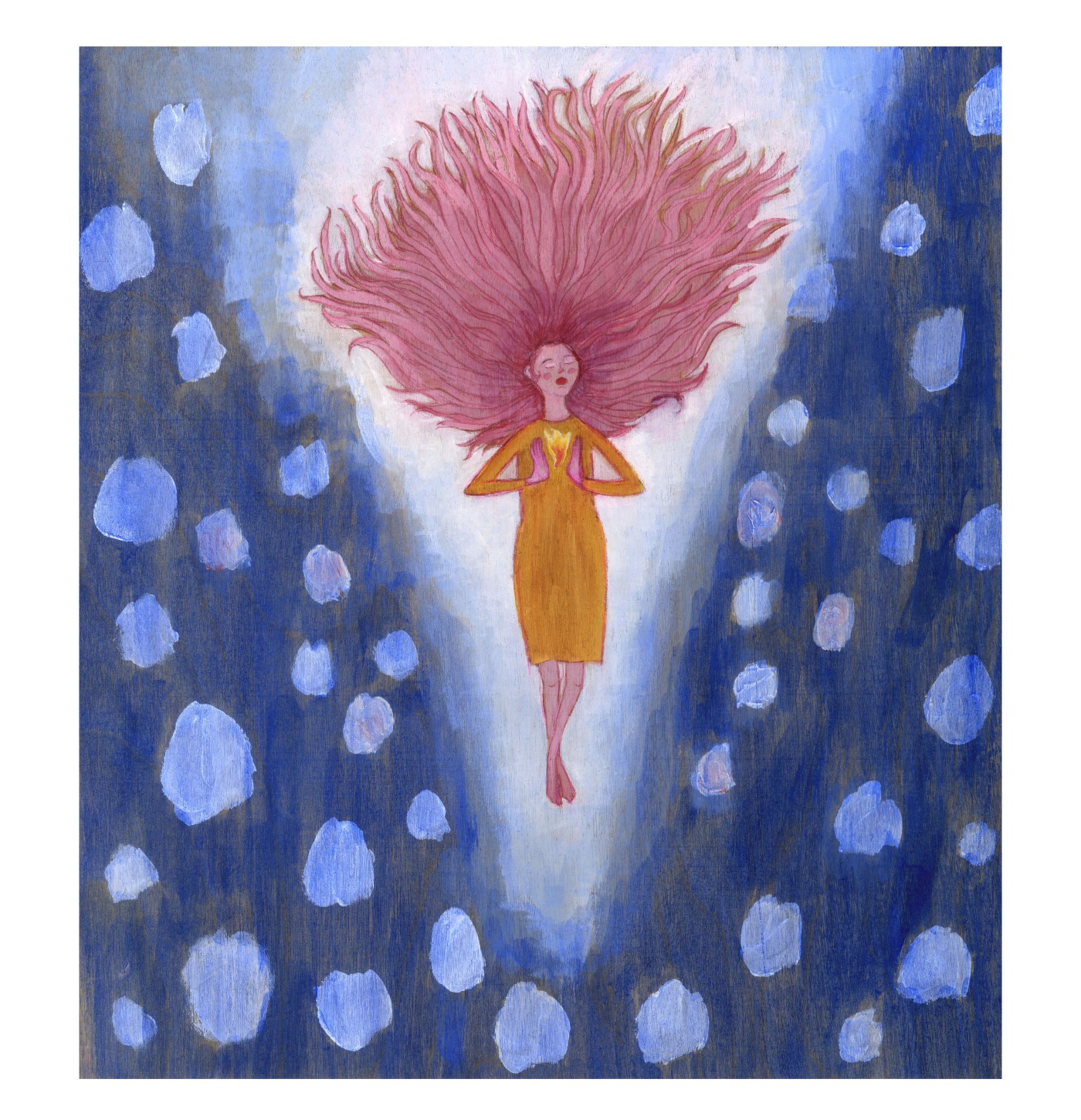
Poured in His Spirit (below): This is the climax of the repentance process. It’s not necessarily apart of the Job story, the last few pieces are more personal interpretations of having a Spiritual experience, but it’s that moment of reconciliation and God’s acceptance and renewal. The title actually comes from Jacob 7:8.
sketch-final

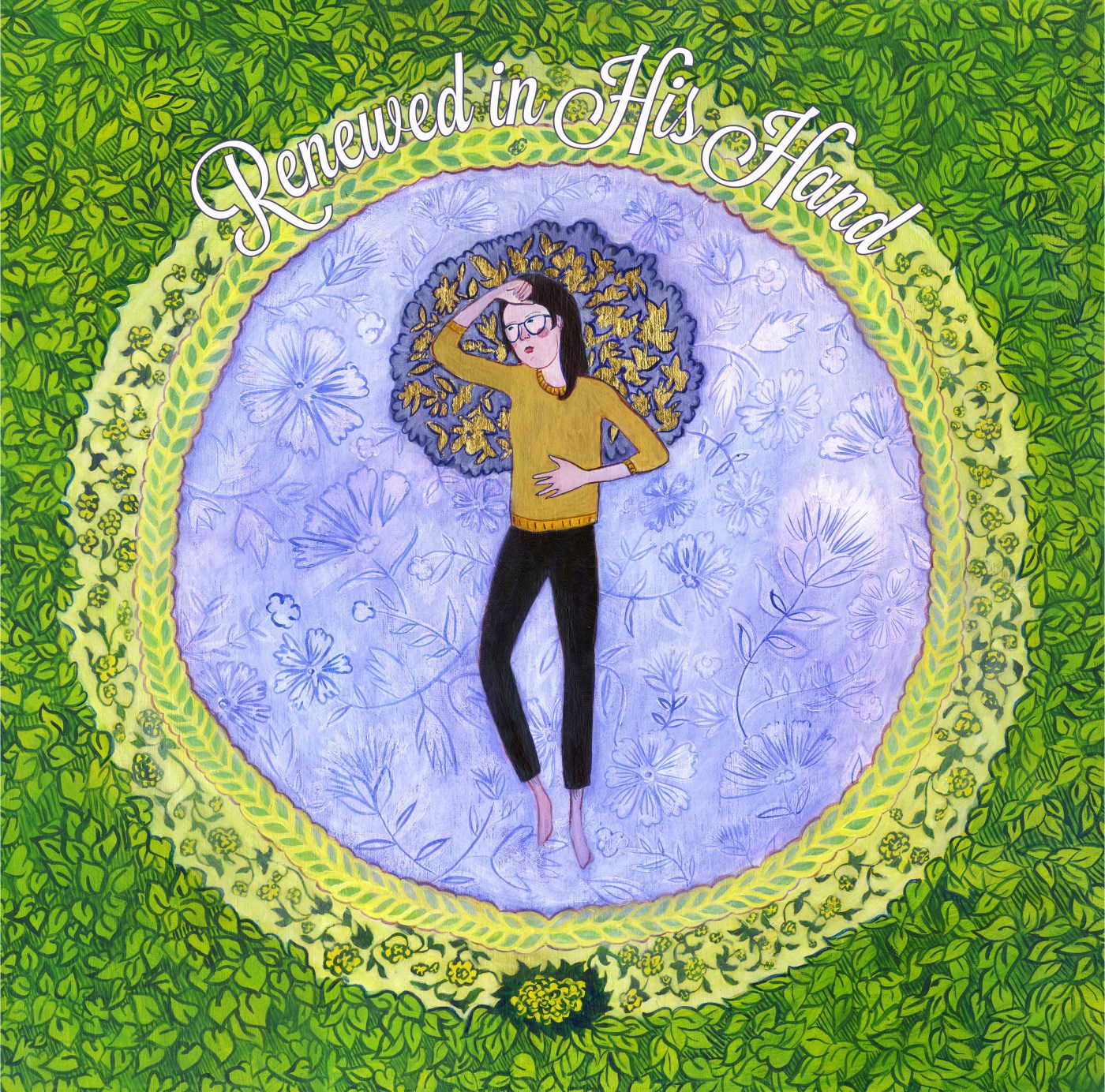
Renewed in His Hand (below): This is the ending where Job has found peace and understanding.
Renewed Merge small type 3

Tell us a little about where you grew up and how you became an artist. I grew up in Virginia, just a few hours outside of D.C. I’m still in love with it and I really feel like my hometown is one of the most beautiful places on earth. I think it helped to grow up near the National Gallery; I still remember the first time I went and saw Degas and Mary Cassatt on a second grade field trip. I started taking private classes with a few different teachers including Rose Datoc Dall. When I was looking into undergrad options, there was really no other option for me than illustration.

What was your experience at BYU? Going to BYU was an amazing experience and I think I was there at exactly the right time. I liked having professors with different talents. Robert Barrett and Richard Hull helped me to strengthen my technical ability and Bethanne Andersen is like the person that I want to be when I grow up. Chris Thornock was definitely the most influential for me conceptually. Chris is an expert on everything that ever existed and so he is able to give each student the advice that they specifically need. He helped me to develop interest in folk art and that’s when that became really influential in my work. I also had incredible classmates who made a huge impact on my knowledge base and artwork.
Visit Normandie Luscher’s website.

Follow Normandie Luscher on Instagram.

Lisa Marie Crosby: The Majestic Balance in Mother Nature

Space and Warmth_2x

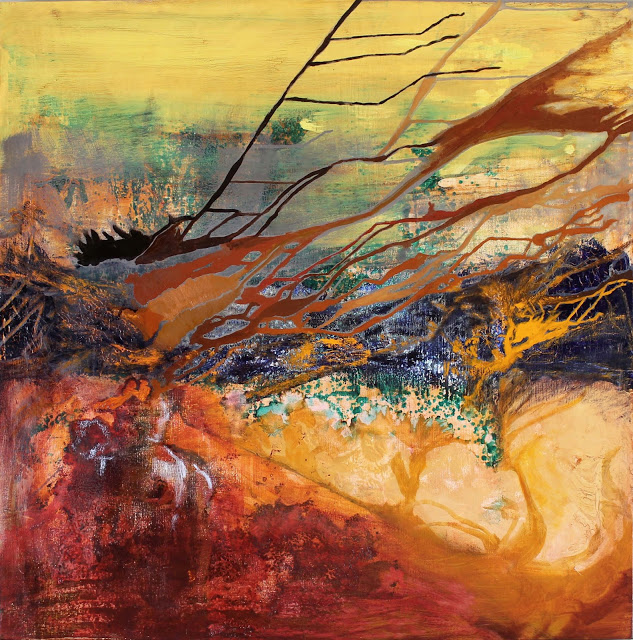
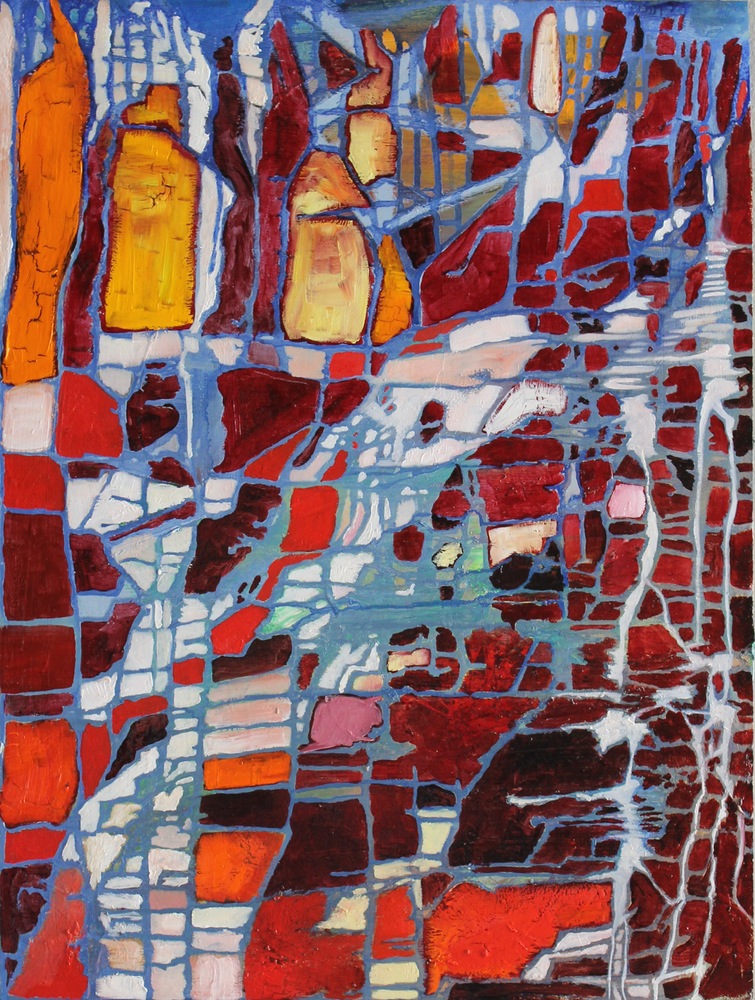
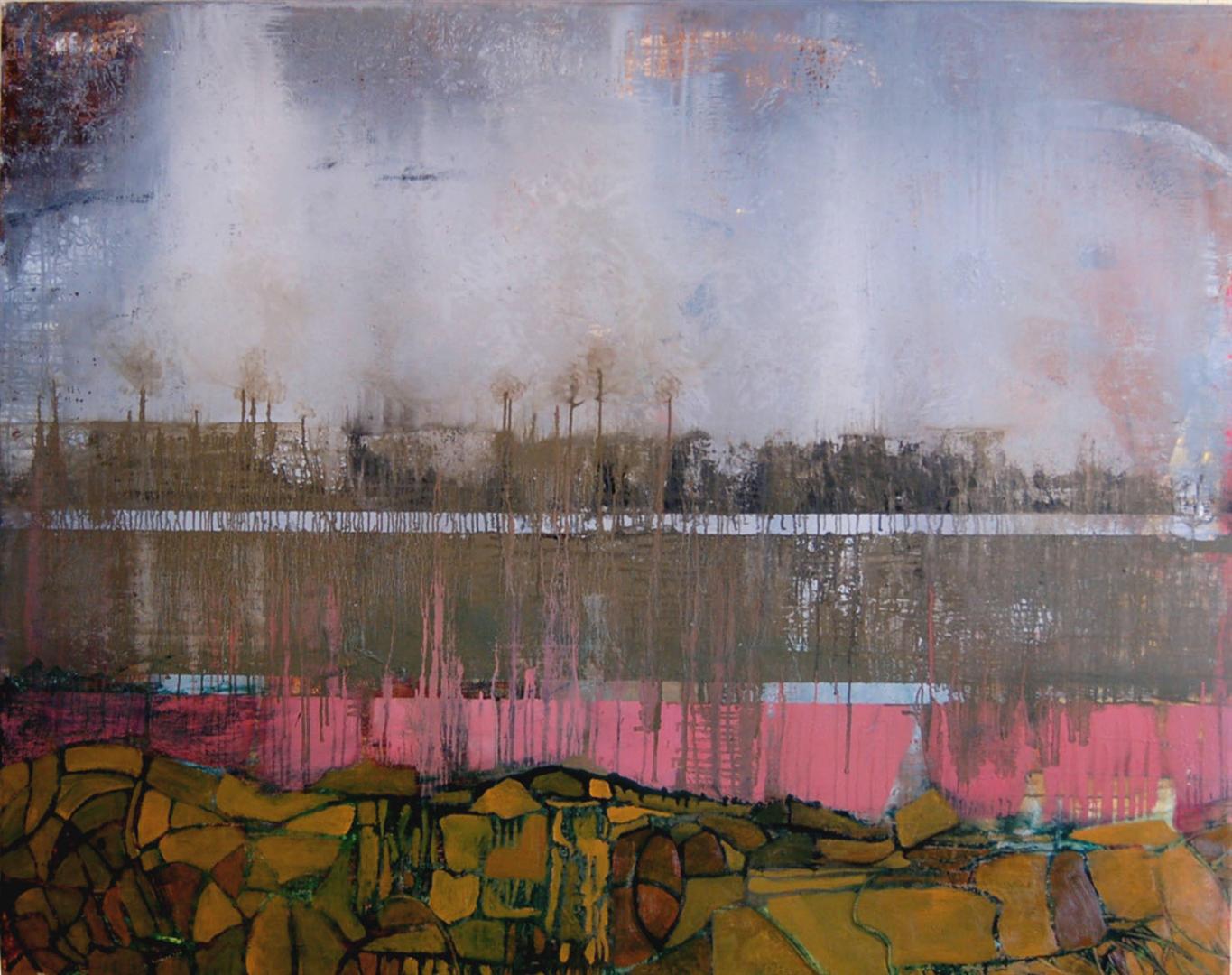
Lisa Marie Crosby grew up in Salt Lake City and received a BFA in Studio Art from BYU. She lives in Utah with her husband and three children. She says of her working style, “In my studio, I work on a minimum of three paintings at once. Each piece serves as a catalyst for another as I literally stamp various panels together so they can connect and become changed. As I move between paintings, I draw, drip, layer, write, delete, and mix oil painting mediums.”

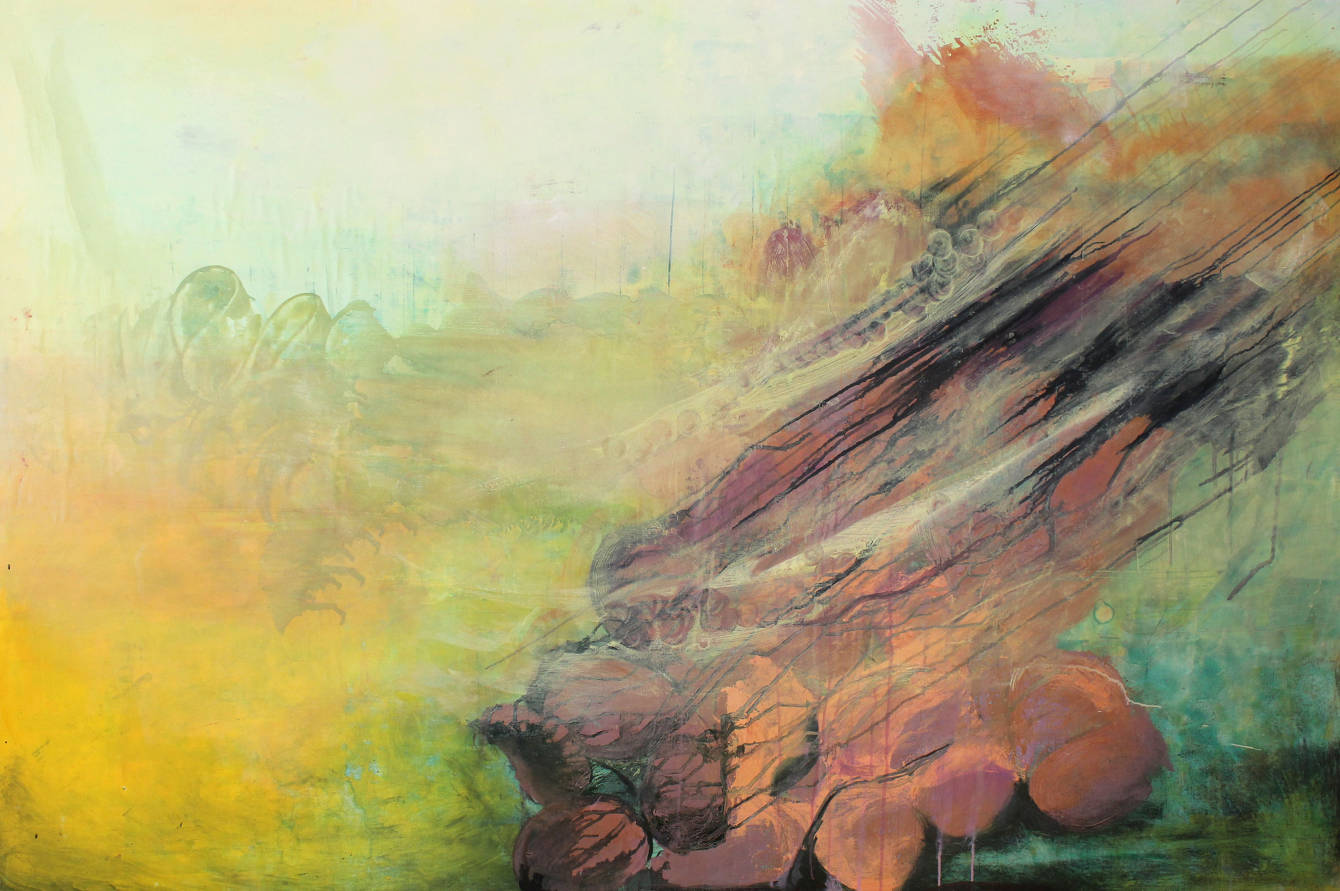
6_o4. LISA CROSBY- Alive_2x BrinkLisa Marie Crosby

How did you develop your unique style? I would say that my style of painting is constantly emerging and evolving. I try to paint according to what feels authentic and real to me, as well as what inspires me. My education highly influenced the way that I paint, as well as contemporary artists I admire.

You have said, ‘Painting is where I sort through reality and experience’. This means that as I paint, I use memory to access experiences and locations. As I progress through a painting, I go back and forth between those memories and my current situation or belief. My work comes about through this personal meditation and my own interpretation of the world.

Which Mormon painters do you find most interesting right now? The LDS artists that I find most interesting right now are the ones I know. I love seeing how their lives work and they interact with others while creating art. I like how Andrew Ballstaedt paints and draws, and he has been a mentor to me throughout my career. I had the chance to be a studio hand with Brian Kershisnik when I was beginning my career, and I found his way of creating and his commitment to making art very inspiring. Ashley Mae Hoiland’s approach to making art and using it as a catalyst to connect to others is something that also really resonates with me.

Visit Lisa Marie Crosby’s website.

Follow Lisa Marie Crosby on Instagram.

Lisa_small

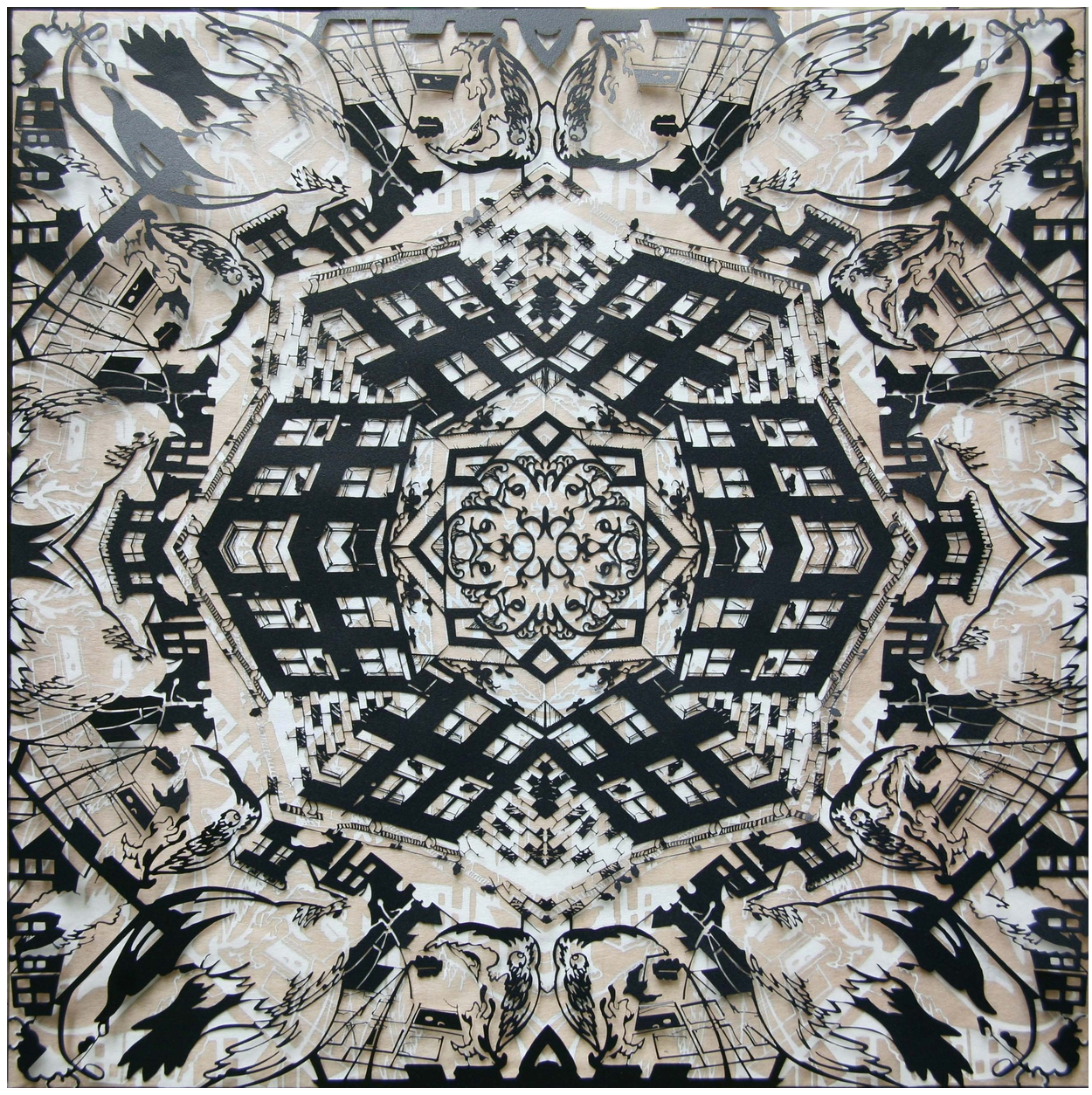
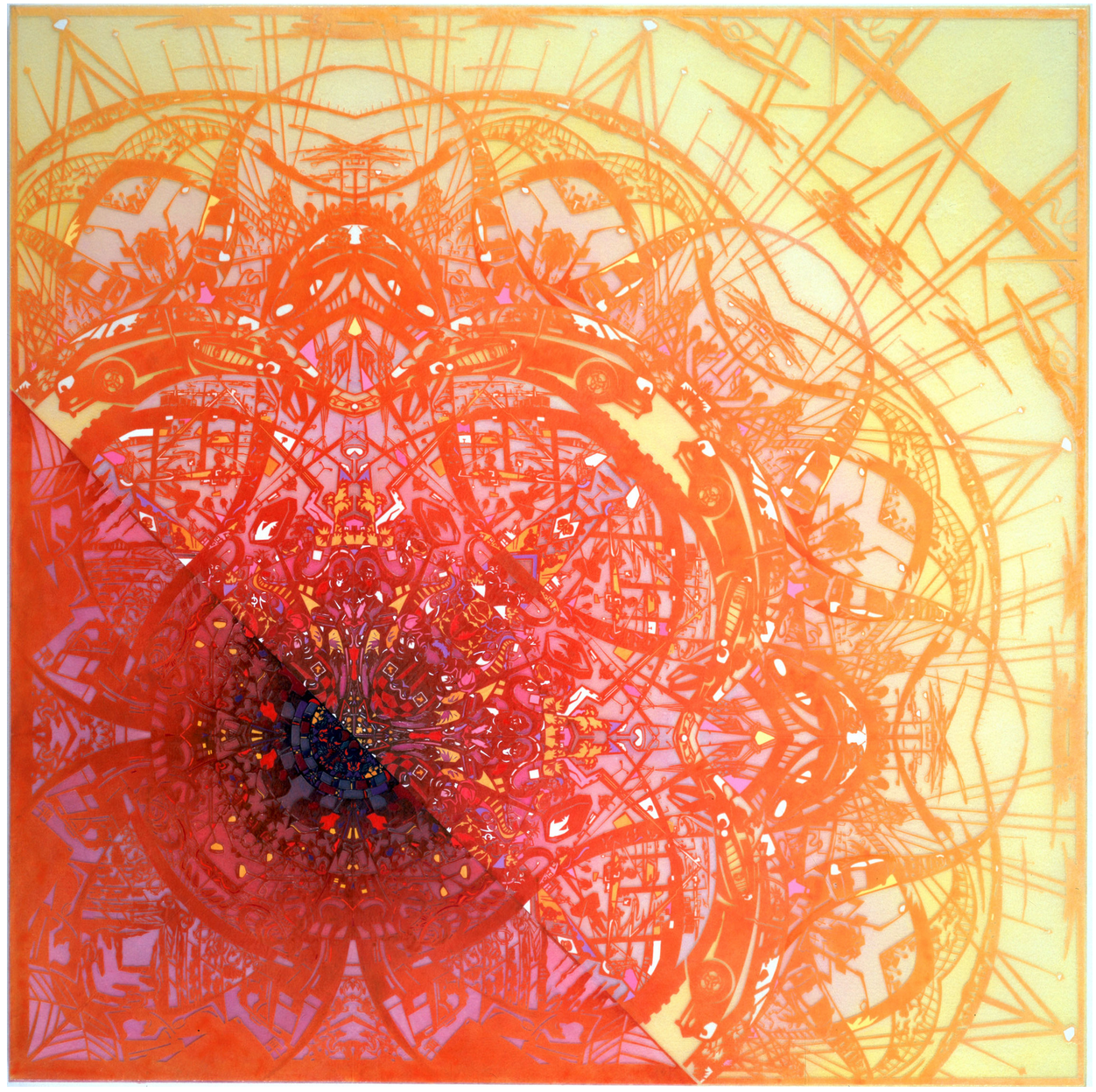
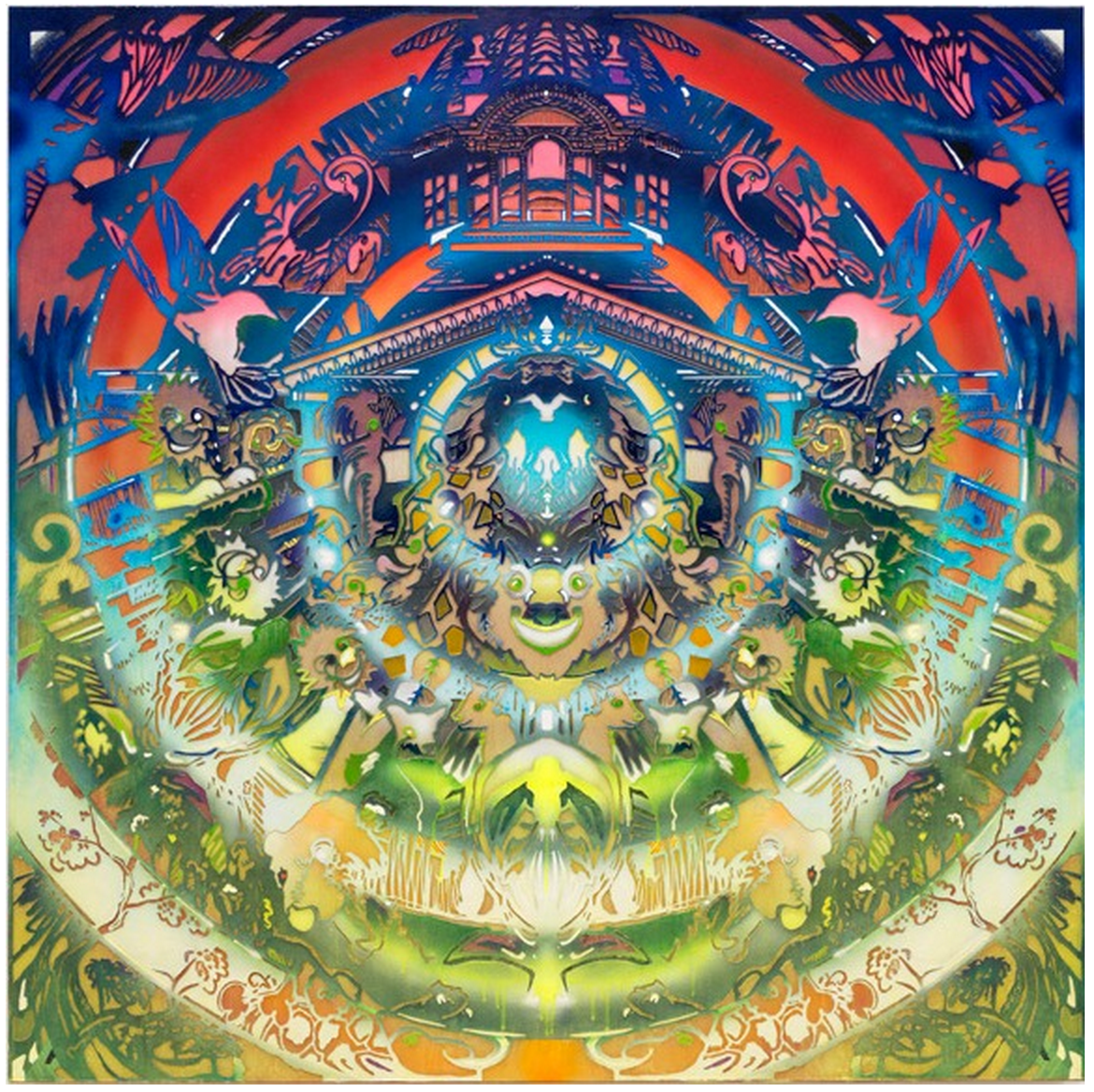
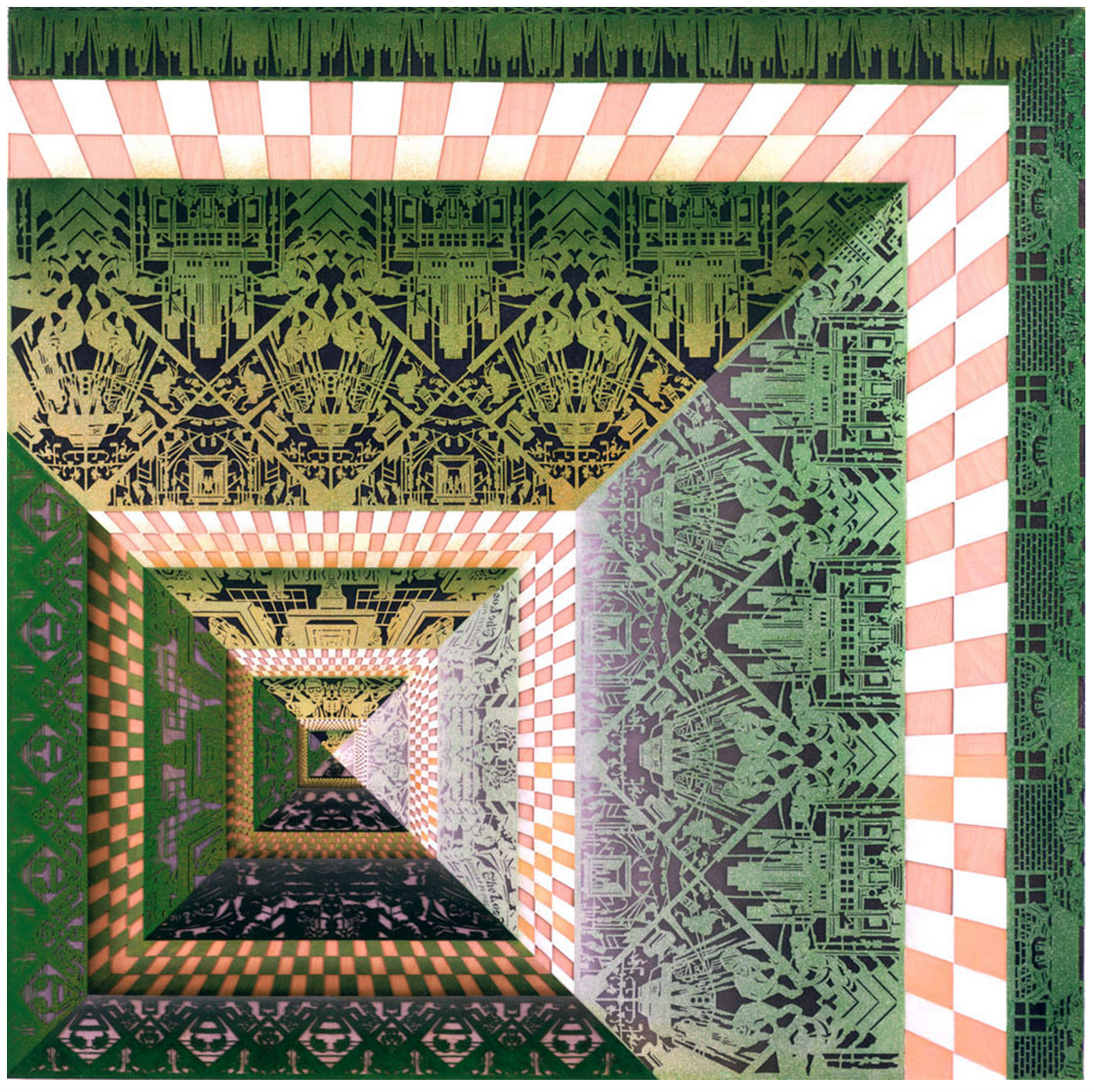
Lane Twitchell: Cut Paper and Acrylic Polymers on Plexi Panel

Lane Twitchell 1

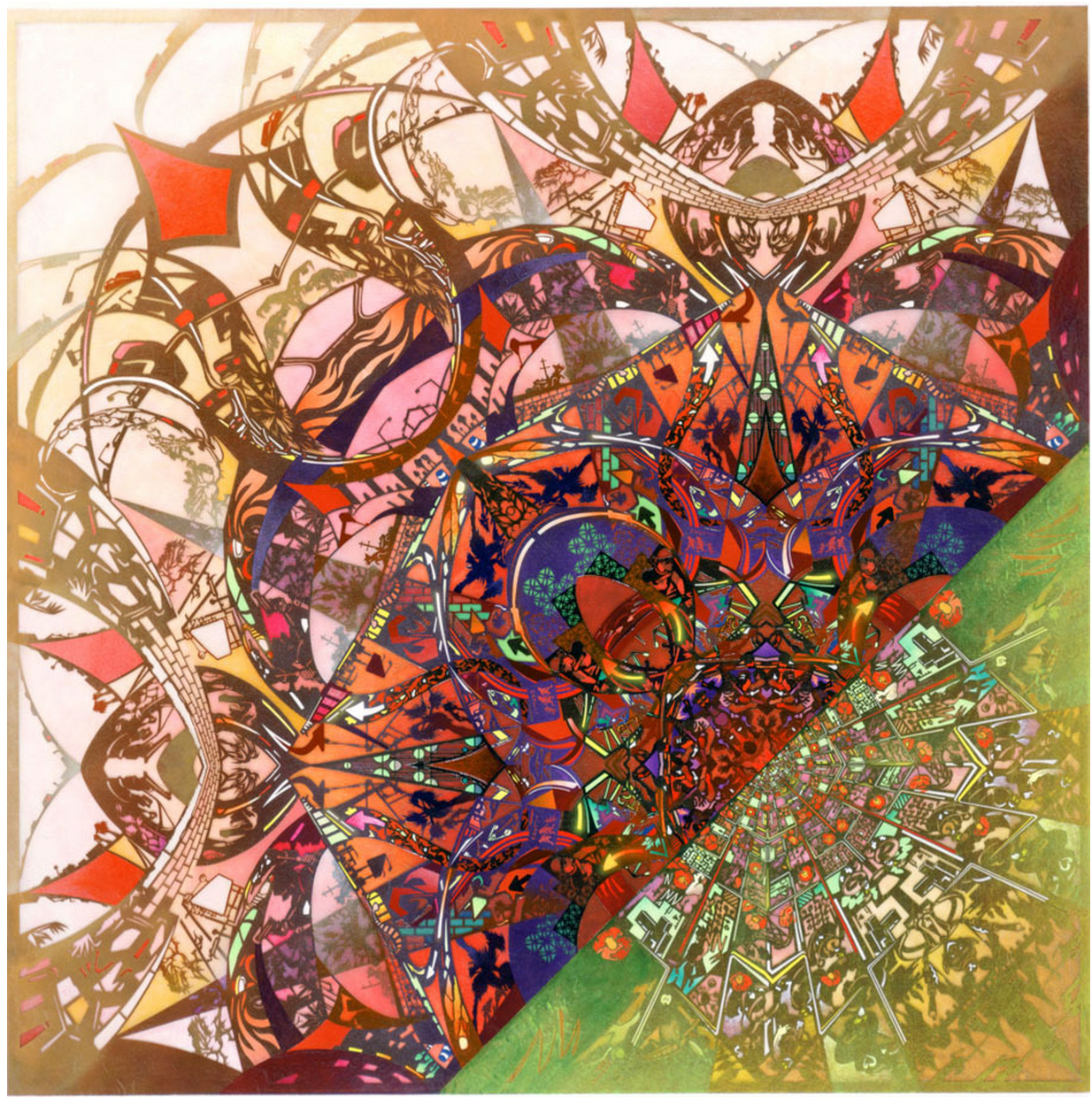
Lane Twitchell is an incredibly accomplished contemporary visual artist with a long list of awards, exhibitions, and public and private commissions. He currently lives in Brooklyn, New York and is a professor at the School of Visual Arts in New York City and received an MFA from the same. He is well versed in oils, acrylics, enamels, and urethanes and produced a portfolio of museum quality paintings over the course of his career. However, he is perhaps most known for his cut paper and acrylic polymers on plexi panel.

Lane Twitchell 2 Lane Twitchell 3 Lane Twitchell 4 Lane Twitchell 5

Cherie K. Woodworth wrote, “What Twitchell does is reinterpret the Western landscape— landscape as kaleidoscope, as a quilt made of paper, as a wide open world refracted in a giant, man-made snowflake. It is the landscape and the heart of the West—its natural grandeur, its history, its modern-day suburbs. Twitchell’s landscape is a labyrinthine desert rose blossoming in the midst of Manhattan.”

When I first approached Twitchell late last year for a profile I was told, politely, to get lost. When the website was up and running I reached out again and he graciously agreed to a profile. Part of his resistance stems from his mixed feelings about the Mormon church. Twitchell was born and raised in Utah in a Mormon home, but has since left the church with legion of opinions and feelings about his Mormon heritage, the Church, and the relationship between art and the Church. Twitchell is talented and opinionated and outspoken with a long list of articles and blog posts online. We plan to look again at his art in the coming months.

Images courtesy Lane Twitchell (including a picture of a young Twitchell seated at Ezra Taft Benson’s desk).

Visit Lane Twitchell’s website.

Lane

Greg Newbold: Illustrating Jack Ma for The New York Times

Jack Ma Propaganda Final-sm

Greg Newbold lives and works in Salt Lake City, Utah and is one of the most accomplished and prolific illustrators in the Church. You can find his work in magazines, newspapers, children’s books, and in private art collections. He has received awards from  The Society of Illustrators, Communication Arts, and many others. Newbold agreed to let us publish this post from his excellent blog describing an engagement he did with The New York Times to illustrate Jack Ma, founder of Alibaba.

Newbold: I got a call from Minh Uong, art director for The New York Times. I had worked with him a long time ago when he was with the Village Voice, but somehow we had not had another opportunity to work together for the past several years. As we caught up on things he offered me a project that I could not pass up. I mean, can you really pass on a front page business section feature illustration in The New York Times? I certainly couldn’t. The article was to be an in depth look at Chinese internet tycoon Jack Ma, founder of Alibaba Group. I have to admit, I knew absolutely nothing about Jack Ma before taking on this project, but a little time on the internet solved that problem. Ma’s network of online businesses include China’s version of Ebay, Amazon, and PayPal among other offerings. Since Alibaba’s founding in 1999, Ma has become a billionaire and one of China’s most powerful businessmen. He turned out to be a very interesting character with a unique face and personality that I was determined to capture. I watched several interviews with him as well as looked at countless photos to analyze his features.

Greg Newbold ResearchGreg Newbold Research 2

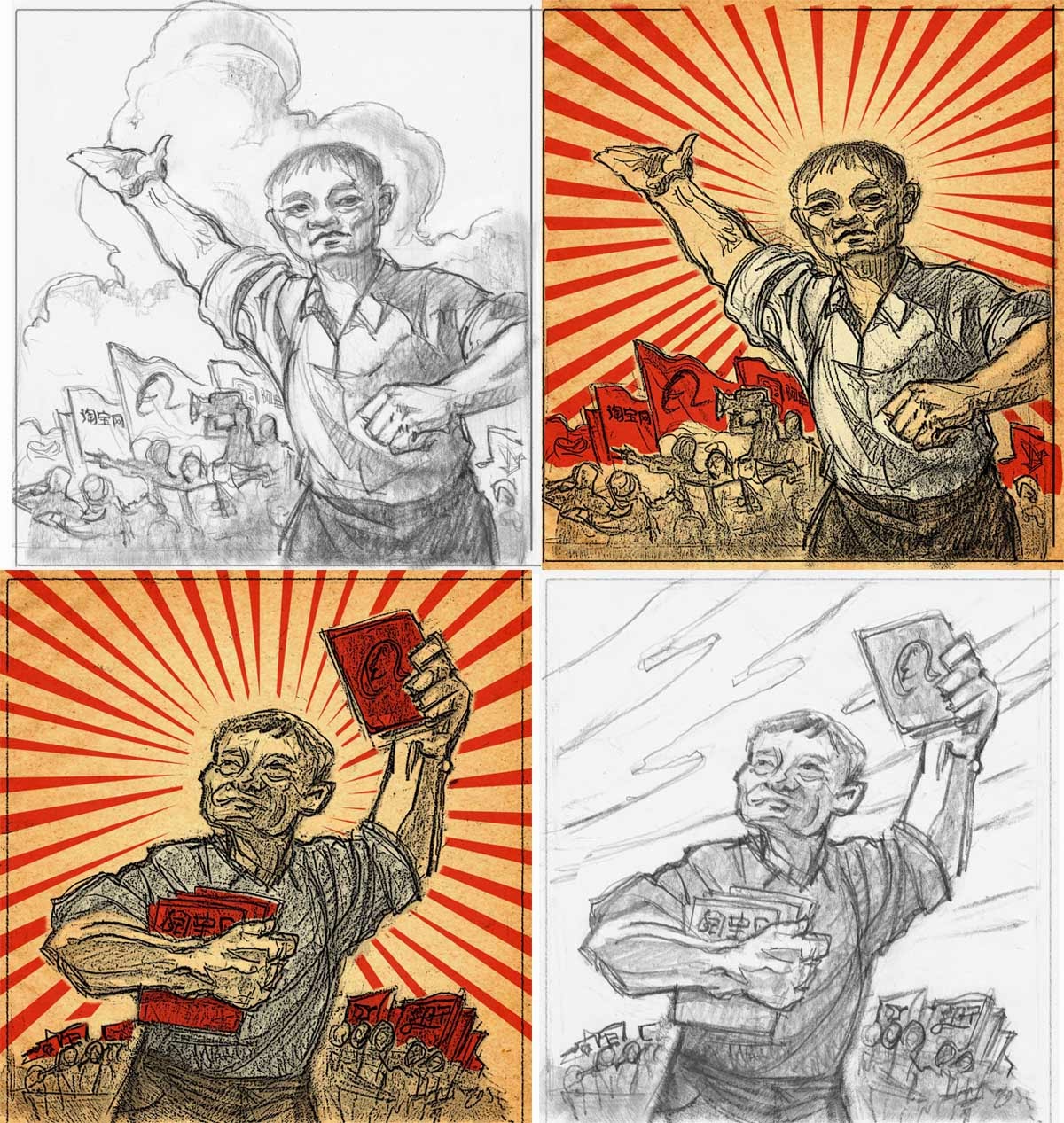
Newbold: The concept that Minh and I discussed for the art was to show Ma as the leader of this new global marketplace but with a lighthearted nod to the Mao era Chinese propaganda posters. I loved the imagery in some of those old posters depicting the heroic worker. I decided to use the color and feel of those old posters but avoid having things feel overbearing and communist. Since I had a relatively square format to work within and I knew I wanted Jack Ma to be front and center, I designed two options to present and then gave those two options a different treatment visually.

Jack Ma Rough Sketches-sm

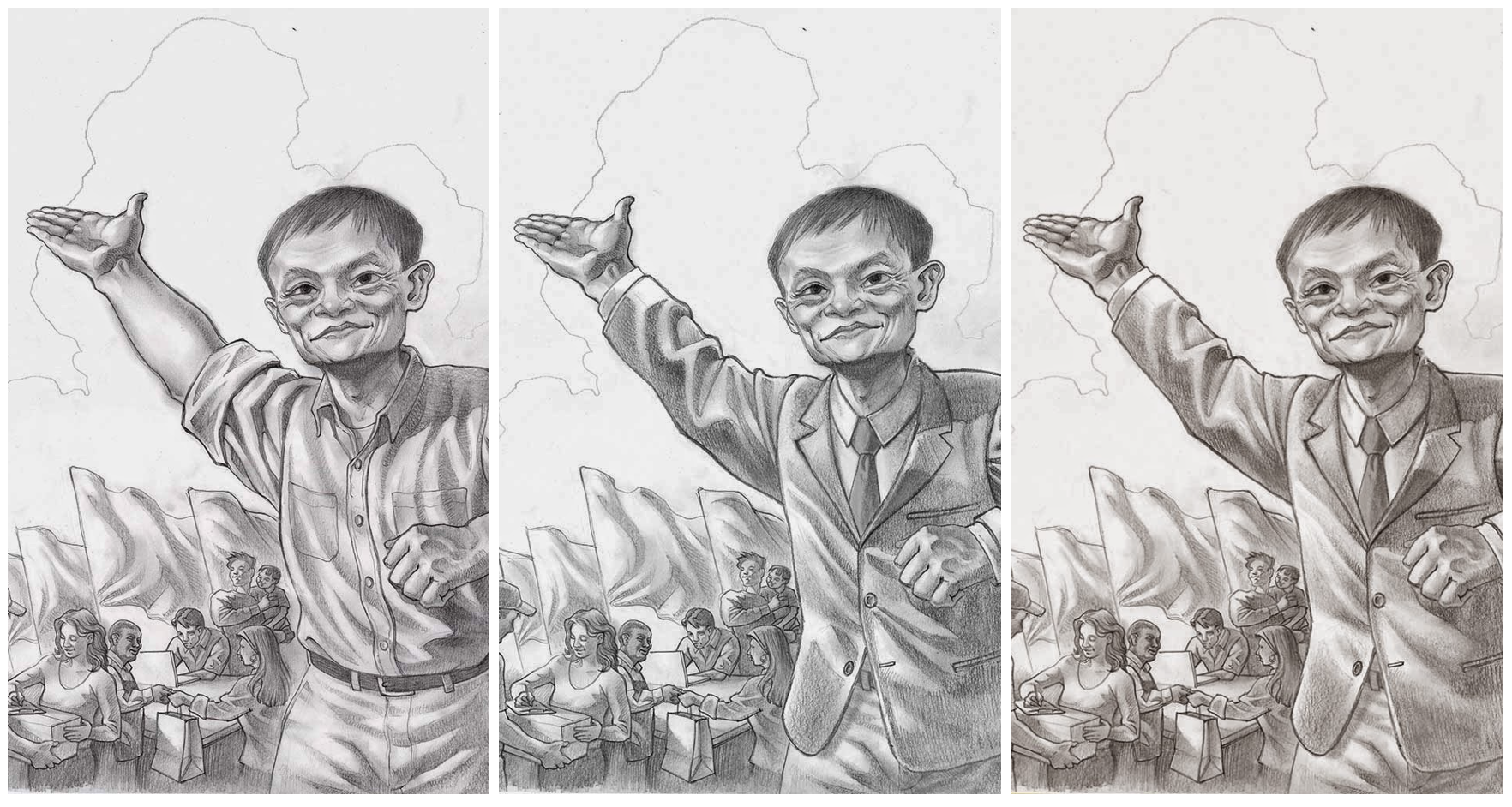
Newbold: One version would be painted in my usual full color style and the other would be a more graphic version similar in feel to some of the old propaganda posters I had seen that were more like ink drawings with blocks of color. Minh told me that it was a tough choice between the two different aesthetic options but they ultimately wanted to go with the full color painted option. In a final touch, the flags in the background would bear the logos of the various Alibaba group companies as well.Jack Ma EvolutionNewbold: One of the editors also felt that he needed to look less like a worker and more like a businessman, so I added the suit jacket and tie. I was also asked to smooth out the jacket a little by making it a more tailored and less rumpled. I smoothed out a few of the wrinkles in the sleeves and jumped in to the finish rendering.

Jack Ma Detail

Newbold: I really wanted to give this one the aged feel of an old poster that had been folded and worn, so the last step was to add some distressing and folds that I created on a separate piece of paper and added over the top of the finished piece. That last bit of grunge and folded paper I think pushed it from good to really good. I am thrilled with how it turned out.

Visit Greg Newbold’s website.

Visit Greg Newbold’s blog, Life Needs Art.

Karl Hale: Kinetic Metaphor

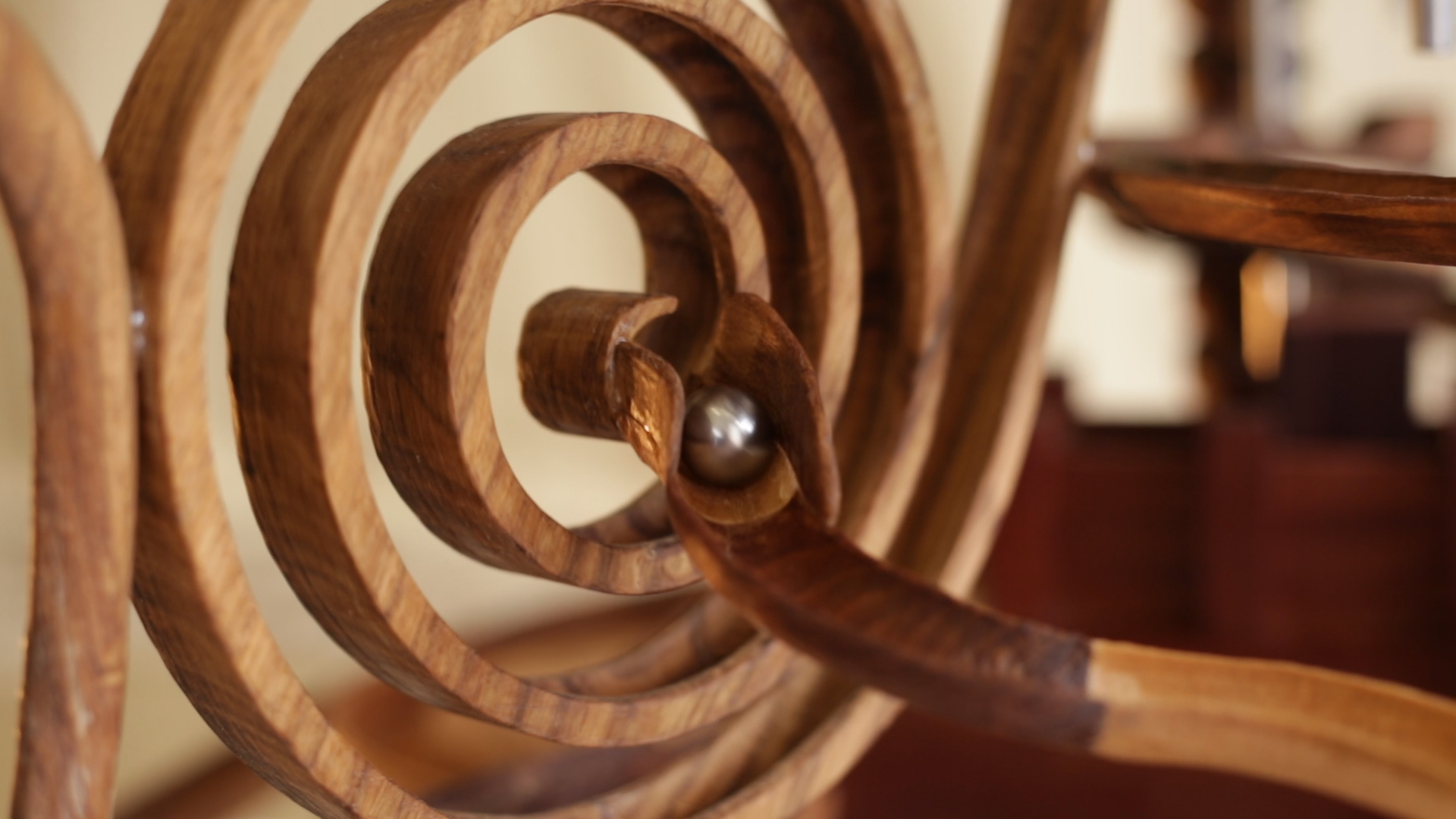
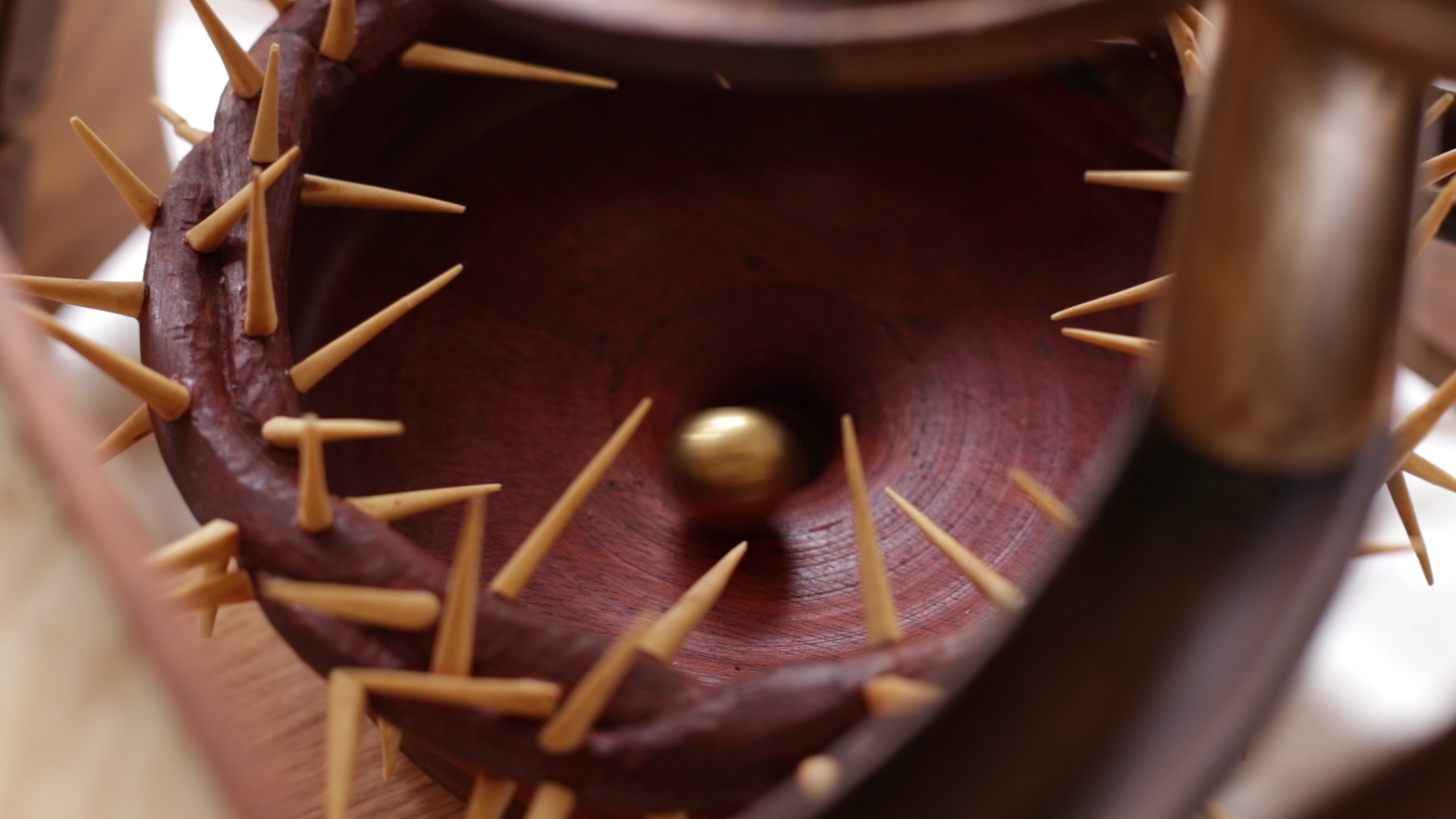
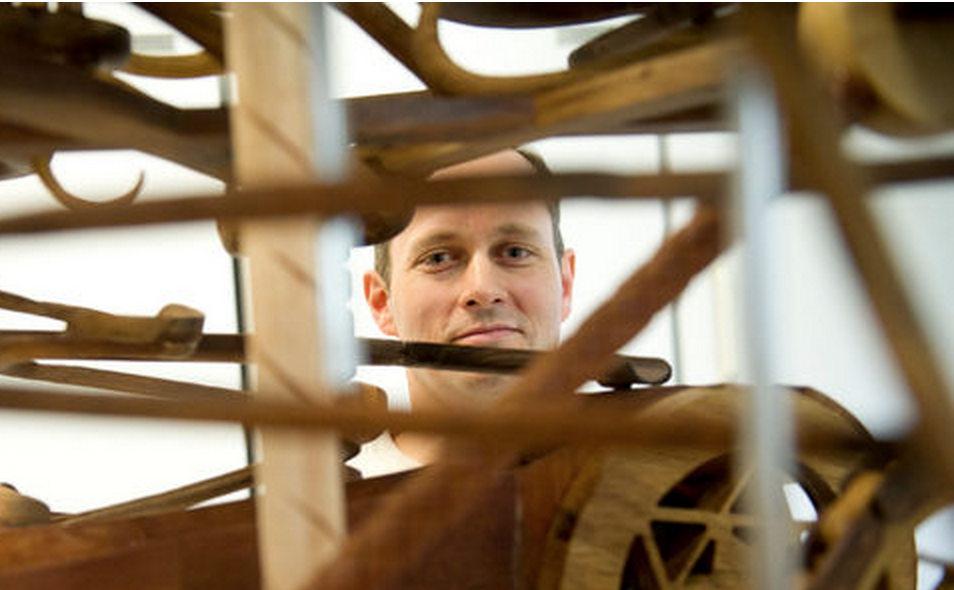
Karl Hale‘s newest creation, Tell Me the Stories of Jesus, is part New Testament sermon, part decadent woodworking, and part Rube Goldberg device. Somehow all those parts add up to something remarkable. Hale has a background in technology and his love of woodworking combined for a unique type of sculpture he calls ‘kinetic metaphor’. It is a sprawling marble run that conveys nearly 20 scriptural stories of Jesus and took Hale more than 1,100 hours to create.

Stories of Jesus Disciples Stories of Jesus Joy

Stories of Jesus ChaseStories of Jesus Atonement

You found art later in your career. I was 42 and had given two decades of my misspent youth to the business world before making my first piece of art. But even woodworking didn’t come to me until I had three kids and a budding tech career. What really led me to the art was a fascination I have with the intersection of things that don’t seem like they should intersect: particularly, left-brain, analytical thinking and right-brain, aesthetic thinking. In January of 2014 I was in serious need of a stress reliever from a painful job situation and so I decided to prove to myself that I could pull off a significant project that had no “useful” objective. A love of wood, some skill in highlighting the beauty God puts in the tree, and a fascination with marble runs were the ingredients for my frivolous project. My goal: produce a piece that would appeal to both analytically and aesthetically inclined people.

Break down the time investment to each stage of Tell Me the Stories of Jesus. Quick answer: no clue. Attempt at a useful answer: I spent several weeks with ideas knocking around in my head for Tell Me the Stories of Jesus and then probably about 40 hours sketching (on paper and in the application SketchUp). But the bulk of the roughly 1,100 hours spent on the piece was a back-and-forth process of prototyping and fabrication which is difficult to divide into chunks of time. Because my art has to be mechanically functional as well as aesthetically interesting, I usually spend a lot of time working on those mechanics. For example, Cleansing the Temple (one piece of Stories of Jesus) required four prototypes before I got the Money Changer marbles to seat themselves properly and still allow themselves to be kicked out of their market stalls by the Jesus marble. I probably spent 40-60 hours on that piece alone. Other pieces take a good bit of computer engineering time before I get to make any sawdust. For example, the three spiral posts required me to write custom code for my CNC to get the right trough slope, exits, and cutting-bit depths. I probably spent 20 hours just on the computer for those posts and then 10 hours cutting, gluing, sanding, and shaping.

And then there are the pieces that don’t make it into the final. My original design had a large star as the capstone of the piece to which Jesus ascends and from which he condescends. It had six two-foot long, geometrically intricate radiating arms and a complex mechanism for receiving, hiding, and delivering Jesus. However, when I placed it on top of the sculpture I knew it to be an aesthetic abomination. The visual reality was very different from what my computer sketching and imagination had foreseen. As my 20-year old son said, it looked like the crown of Sauron of Lord of the Rings infamy. I estimate that I spent 16 hours and $100 in wood on that little project. Its broken majesty is now in my burn pile.

Once my sculptures appear complete, I have to tune them. Everything looks right and all the balls go where they’re supposed to 80% of the time, but then I try to increase that percentage closer to 99%. This tuning seems to take about 10-20% of the total time for my sculptures because I have to redesign the part that is causing the difficulty until it works flawlessly. In the case of Stories of Jesus I’ve spent about 150 hours tuning so far and would like to spend another 20-40.

Are you interested in other mediums now? Somewhat. I have created one prototype sculpture out of synthetic material as I explore outdoor installations and I recently started sketching some ideas for a leaded and stained glass piece. One of my focuses has become attracting people to art who wouldn’t otherwise be interested (e.g. analytical types and children/teenagers). Kinetic art, particularly rolling ball sculpture, seems to work well with that, so my art will likely remain in that category. Also, people like to get involved with the art, so most of my art will probably continue to be interactive. Finally, I like letting God do the heavy lifting in the material preparation leaving me to just form it a bit, so I’m pretty sure the majority of my art will be in wood.

Visit Karl Hale’s website.

Follow Karl Hale on Instagram.

Karl Hale